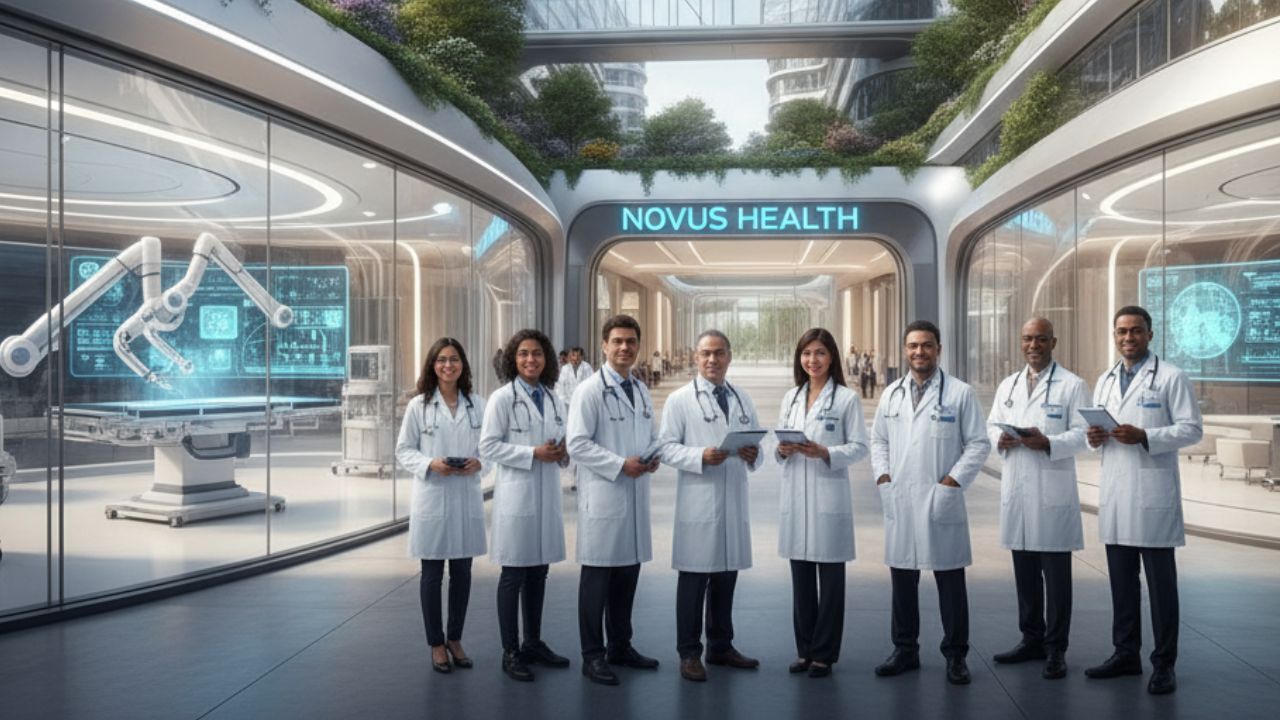
The United States is home to some of the most advanced medical institutions on the planet. From pioneering robotic surgeries to AI-powered diagnostics, American hospitals are reshaping what modern healthcare looks like—not just domestically, but globally.
For patients facing complex diagnoses or seeking the highest standard of care, knowing where to look can make all the difference. This guide profiles the top-tier hospitals leading the charge, the technologies transforming patient outcomes, and the medical pioneers behind some of medicine’s greatest breakthroughs. Whether you’re researching treatment options or simply curious about the state of American healthcare, you’ll find everything you need here.
What Makes a Hospital “World-Class”?
Not all hospitals are created equal. Several measurable criteria separate the good from the truly exceptional.
Patient Outcomes: Survival rates, complication rates, and readmission figures are among the most reliable indicators of hospital quality. Institutions that consistently outperform national averages across multiple specialties signal a systemic commitment to excellence.
Research & Innovation: The best hospitals don’t just treat disease—they study it. Academic medical centers that conduct cutting-edge research often offer patients access to experimental treatments and clinical trials that aren’t available elsewhere.
Technology: From robotic-assisted surgery to precision oncology, the tools a hospital uses directly impact the care it delivers. Institutions that invest heavily in medical technology tend to achieve better surgical precision, faster diagnoses, and more personalized treatment plans.
Specialist Expertise: World-class care requires world-class doctors. Hospitals that attract leading specialists—particularly in complex fields like neurosurgery, cardiovascular medicine, and oncology—draw patients from around the world.
Nursing & Support Staff Quality: Research consistently shows that nurse-to-patient ratios and the quality of support staff significantly affect patient outcomes. Magnet-designated hospitals, recognized by the American Nurses Credentialing Center, are widely regarded as leaders in nursing excellence.
Top-Tier Hospitals in the United States
Mayo Clinic — Rochester, Minnesota
Consistently ranked as the number one hospital in the United States by U.S. News & World Report, Mayo Clinic operates on a model that prioritizes the patient above all else. Founded in the 19th century, it has grown into a sprawling medical campus treating over 1.3 million patients annually from all 50 states and more than 130 countries.
What sets Mayo apart is its integrated team approach. Rather than siloing specialists in separate departments, Mayo assembles multidisciplinary teams around individual patients—meaning a cancer patient might simultaneously benefit from the expertise of an oncologist, a radiologist, a surgeon, and a palliative care specialist working in concert.
Mayo is also a global leader in medical research, investing over $900 million annually in research and education. Its work spans genomics, regenerative medicine, and artificial intelligence applications in diagnostics.
Cleveland Clinic — Cleveland, Ohio
Cleveland Clinic has earned an almost mythological reputation in cardiovascular medicine. Its Heart, Vascular & Thoracic Institute has ranked number one in the nation for cardiology and heart surgery for nearly three decades straight, according to U.S. News & World Report.
But cardiac care is only part of the story. Cleveland Clinic is home to the Neurological Institute, one of the most comprehensive brain and spine programs in the world, and its Digestive Disease & Surgery Institute is similarly ranked among the nation’s best.
Cleveland Clinic was also among the first major health systems to fully embrace telemedicine at scale, launching its Express Care Online platform years before remote healthcare became mainstream. That forward-thinking approach extends to its research arm, which has commercialized hundreds of medical innovations.
Johns Hopkins Hospital — Baltimore, Maryland
Johns Hopkins holds a unique place in American medical history. Founded in 1889, it essentially invented the modern medical school model, integrating research, teaching, and patient care in ways that shaped institutions worldwide.
Today, Johns Hopkins Hospital consistently ranks among the top three hospitals in the country. Its Sidney Kimmel Comprehensive Cancer Center is internationally recognized, and its neurosurgery program—shaped by legends like Ben Carson and Paul Byrne—continues to attract the most complex cases from around the globe.
Johns Hopkins researchers have been responsible for some of medicine’s most pivotal discoveries, including early work on the human genome and foundational research in anesthesiology, cardiac surgery, and infectious disease.
Massachusetts General Hospital — Boston, Massachusetts
Part of the Harvard Medical School network, Massachusetts General Hospital (MGH) is one of the oldest and most storied institutions in American medicine. It performs more clinical research than any other hospital in the United States, securing over $1 billion in competitive funding annually.
MGH’s Cancer Center, Heart Center, and Neuroscience program are consistently ranked among the best in the nation. The hospital is also a leader in global health research, with programs spanning tuberculosis treatment, HIV/AIDS management, and pandemic preparedness.
UCLA Health — Los Angeles, California
On the West Coast, UCLA Health stands out as a beacon of academic medicine. Its Ronald Reagan UCLA Medical Center ranks among the top ten hospitals nationally and is particularly renowned for its transplant programs, neurology department, and cancer care through the Jonsson Comprehensive Cancer Center.
UCLA’s location in Los Angeles also gives it a diverse patient population, which enriches its research base and enhances its ability to study conditions that disproportionately affect specific communities.
Cutting-Edge Technologies Transforming Patient Care
Robotic Surgery
Robotic-assisted surgery has moved from experimental to standard practice at most top-tier American hospitals. The da Vinci Surgical System, used across thousands of procedures annually, allows surgeons to operate with greater precision through smaller incisions—reducing blood loss, infection risk, and recovery time.
Mayo Clinic, Cleveland Clinic, and Johns Hopkins are among the highest-volume robotic surgery centers in the world. Some institutions are now training the next generation of surgeons entirely on robotic platforms.
AI-Driven Diagnostics
Artificial intelligence is quietly transforming how diseases are detected and diagnosed. Algorithms trained on millions of medical images can now identify early-stage cancers, diabetic retinopathy, and neurological abnormalities with accuracy that rivals—and sometimes exceeds—experienced clinicians.
MGH and Cleveland Clinic have been at the forefront of integrating AI into radiology and pathology workflows. These tools don’t replace doctors; they give them sharper eyes and faster results.
Precision Oncology
The era of one-size-fits-all cancer treatment is ending. Precision oncology uses genetic sequencing to identify the specific mutations driving a patient’s tumor, allowing oncologists to select therapies tailored to that individual’s biology.
Mayo Clinic’s Center for Individualized Medicine and Johns Hopkins’ Bloomberg~Kimmel Institute for Cancer Immunotherapy are both leaders in this space, offering patients access to genomic profiling and immunotherapy trials not available at standard oncology centers.
Proton Therapy
Unlike conventional radiation, proton therapy delivers highly targeted beams that minimize damage to surrounding healthy tissue. It’s particularly valuable for pediatric cancers and tumors near critical structures like the spinal cord or optic nerve.
Several top U.S. hospitals—including MGH, Mayo Clinic, and MD Anderson Cancer Center in Houston—operate proton therapy centers that treat thousands of patients each year.
The Doctors Behind the Breakthroughs
World-class hospitals attract world-class physicians. A few names stand out across the landscape of American medicine.
Dr. Vivek Murthy, former U.S. Surgeon General and Harvard Medical School faculty member, has been a leading voice on the intersection of physical and mental health, and his research has influenced public health policy nationally.
Dr. Peter Attia, affiliated with Johns Hopkins and recognized globally for his work in longevity medicine, has helped shift the conversation around preventive care—arguing that treating disease after it strikes is far less effective than aggressively preventing it in the first place.
Dr. Nita Ahuja at Yale School of Medicine has pioneered epigenetics research in cancer, opening new doors for early detection through DNA methylation analysis.
These are just a handful of the thousands of physician-researchers working at top U.S. institutions whose work is rewriting medical textbooks in real time.
How to Evaluate a Hospital for Specialized Treatment
Choosing the right hospital for a complex condition isn’t as simple as searching online rankings. Here’s a practical framework:
- Check specialty rankings: U.S. News & World Report publishes annual rankings by specialty. If you need cardiac surgery, look for cardiac surgery rankings specifically—not just overall hospital scores.
- Ask about volume: For complex procedures, volume matters. Hospitals that perform a procedure hundreds of times a year tend to have better outcomes than those that perform it a dozen times.
- Review outcomes data: The Centers for Medicare & Medicaid Services (CMS) publishes hospital outcomes data publicly. Look at complication rates and readmission rates for your specific condition.
- Seek a second opinion: Top-tier hospitals actively encourage second opinions. If a provider discourages it, that’s worth noting.
- Consider care coordination: Ask how the hospital handles communication between specialists. Integrated, team-based care models—like those at Mayo Clinic—typically produce better outcomes for complex cases.
The Future of American Healthcare
Two forces are converging to reshape American medicine: personalized medicine and digital health.
Personalized medicine—driven by genomics, proteomics, and advanced biomarker testing—promises to move healthcare from reactive to predictive. Instead of waiting for a heart attack to occur, clinicians will identify individuals at molecular risk years in advance and intervene accordingly.
Digital health, meanwhile, is expanding access. Wearables that continuously monitor cardiac rhythms, glucose levels, and sleep patterns are feeding data into AI systems that can flag anomalies before patients even notice symptoms. Telehealth platforms are extending the reach of top-tier specialists to patients in rural or underserved communities who previously had no access to high-level expertise.
The hospitals profiled here are all investing heavily in both areas. Mayo Clinic’s Platform initiative, for instance, aims to build a global ecosystem for AI-driven medical discoveries. Cleveland Clinic’s Global Center for Pathogen Research & Human Health is positioning the institution as a leader in pandemic preparedness.
The Global Standard, Set in America
The institutions profiled here do more than care for their patients—they define what excellent healthcare looks like for the entire world. Medical professionals trained at Mayo, Hopkins, or MGH carry those standards to hospitals on every continent. Research conducted in Baltimore or Rochester informs clinical guidelines in Berlin and Tokyo.
For patients navigating complex diagnoses, these hospitals represent not just the best care available in the United States, but among the best care available anywhere. Knowing they exist—and knowing how to access them—is itself a form of health literacy worth cultivating.
If you or someone you care about is facing a serious medical decision, start by consulting U.S. News & World Report’s latest hospital rankings, then use the evaluation framework above to narrow your search. The right institution, paired with the right specialist, can change everything.